
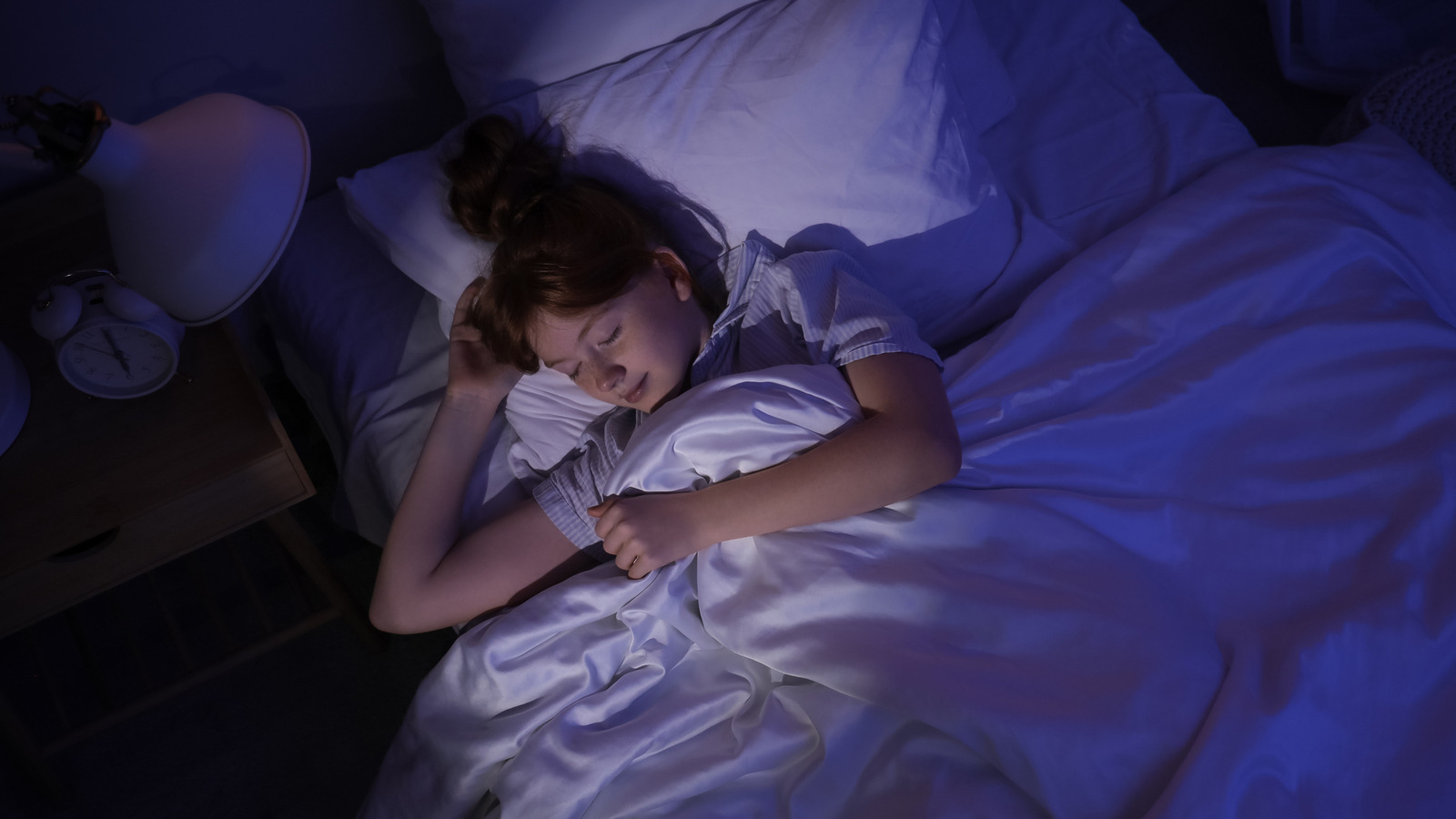
It’s not unheard of for members of one generation to question the everyday habits of people of another generation. Perhaps it’s unsurprising then that quite a few Gen Z hygiene habits just fall flat with millennials.
Prenant l’idée que certaines habitudes quotidiennes se posent, il n’est pas étrange que plusieurs habitudes d’hygiène de la génération Z ne trouvent pas écho chez les millénariaux.
ジェネレーション間で、別の世代の日常的な習慣を疑問視することは珍しくありません。したがって、ジェネZの衛生習慣の中にはミレニアル世代には響かないものが多いのも不思議ではありません。
Take hanging out “forever” in the shower, for instance. According to a 2024 report from The Harris Poll, Gen Z spends an average of about 21 minutes showering, nearly three minutes more than millennials. Some members of Gen Z have even talked about taking “nothing showers,” or standing in the shower without exerting any effort to clean themselves. Millennials might not want to point fingers too quickly, though. After all, some skincare experts find both their and Gen Z’s shower lengths to be a bit off-base. In general, dermatologists recommend keeping showers under 15 minutes to avoid drying out or irritating the skin.
例えば、“永遠にシャワーを浴びる”ことについて。2024年のハリス・ポールの報告によると、ジェネZは平均約21分シャワーを浴び、ミレニアルより約3分長い。ジェネZの一部は「何も洗わないシャワー」をするとか、洗浄をほとんど行わずにシャワーに立つと語る人もいる。もっとも、ミレニアル世代がすぐに指を指すべきではない。結局のところ、いくつかのスキンケア専門家は、両世代のシャワー時間がやや長すぎると指摘する。皮膚科医は一般に、肌を乾燥させたり刺激したりしないよう、シャワーは15分未満に抑えることを勧めている。
Of course, showering habits are just the tip of the iceberg. From how they groom themselves to when they clean specific household items, Gen Z exhibits plenty of other hygiene preferences that make millennials scratch their heads.
当然ながら、シャワー習慣は iceberg の一角に過ぎません。自己の手入れの仕方から、特定の家電をいつ清掃するかに至るまで、ジェネZ はミレニアル世代を困惑させる衛生嗜好を数多く示しています。
Using a ‘looksmaxxing’ approach to design a complex skincare routine
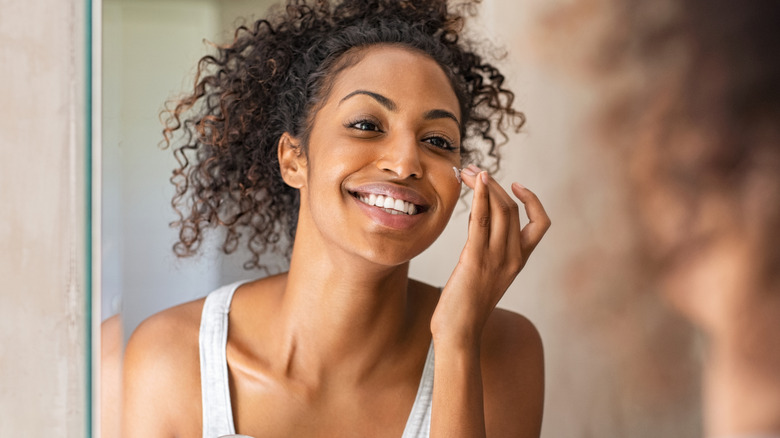
Gen Z seems to be “maxxing” just about all the aspects of their lives, whether it’s working out (aka gymmaxxing) or coming to terms with hair loss (aka baldmaxxing, a trend Princes William and Harry could get behind). Simply put, when someone is maxxing, it means they’re using technology, data, or unconfirmed social media influencer “science” to figure out how to optimize their appearance, right down to their skincare regimens.
ジェネZは、運動(ジムマキシング)や薄毛対策(いわゆる薄毛マキシング、ウィリアム王子とハリー王子が支持するかもしれないトレンド)など、生活のあらゆる側面を“マキシング”しているようだ。端的に言えば、マキシングをしているというのは、技術・データ・未確認のソーシャルメディアインフルエンサーの「科学」を使って、外見を最適化する方法を見つけることを意味しており、それはスキンケアルーティンにも及ぶ、ということだ。
Since looksmaxxing is ultimately personalized and hyper-focused, it means that a Gen Z adult will probably have a slew of moisturizers, cleansers, serums, washes, and more in the bathroom. Each product is used as a piece of the person’s overall health puzzle — and the fact that a maxxed skincare regimen can take a long time to complete doesn’t matter. For a millennial, all this effort may seem ridiculous; per a 2018 study by the market intelligence company Mintel, 54% of young millennial women in the UK have pared down their skincare regimens.
looksmaxxing は最終的には個別化・極度に焦点が定まっているため、ジェネZ の大人は浴室に多くの保湿剤・洗顔料・セラム・洗浄剤などを揃えている可能性が高い。各製品は個人の全体的な健康パズルの一部として使われる――そして、maxxed なスキンケア習慣を完成させるのに時間がかかるという事実は問題にならない。ミレニアル世代にとっては、この努力はばかげて見えるかもしれない。市場情報会社 Mintel の2018年の研究によれば、英国の若いミレニアル女性の54%がスキンケア習慣を絞り込んでいる。
Interestingly, Gen Z might be getting less of a return on investment for this (rather expensive) beauty behavior than they anticipate. As dermatologists have noted, more steps and products could actually irritate the skin rather than leave it looking and feeling amazing.
興味深いことに、この(かなり高価な)美の行動に対して、ジェネZは期待しているほどの投資対効果を得られていない可能性がある。皮膚科医が指摘するように、工程が増え、製品が増えることは、肌を驚くほど美しく見せるどころか、刺激を与える可能性がある。
Skipping the deodorant aisle, occasionally in favor of pheromone-maxxing
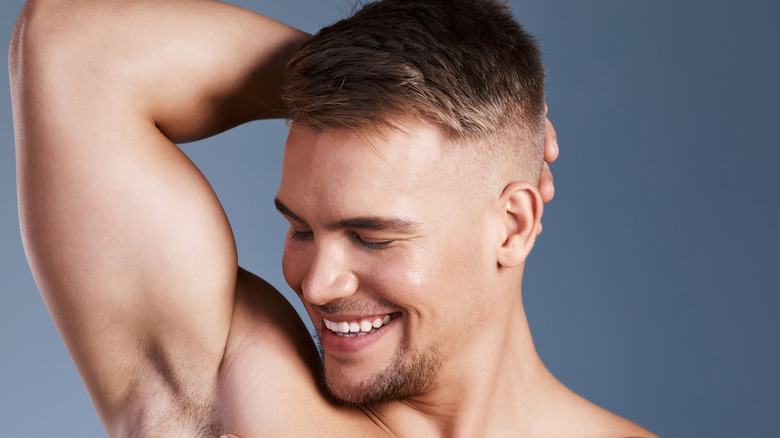
Gen Z just isn’t sold on needing deodorant or antiperspirant. Thanks to a TikTok trend called pheromone-maxxing, some men are just saying “no” to the idea that they need to smell unnatural to gain a mate. As psychiatrist Dr. Gayatri Bhatia told Firstpost, “The concept of ‘pheromone-maxxing’ sounds biologically plausible […] But scientists have not yet found a sex pheromone in humans that reliably causes attraction.”
ジェネZはデオドラントや制汗剤を使う必要性を信じていない。TikTok のトレンド「フェロモン・マキシング」によって、異性を惹きつけるために不自然な匂いを放つ必要がある、という考えを拒む人もいる。精神科医のGayatri Bhatia博士はFirstpostに対し「『フェロモン・マキシング』の概念は生物学的にはもっともらしいが、人間で確実に引きつけを引き起こす性フェロモンはまだ見つかっていない」と語った。
この習慣はおそらく2020年のパンデミックの時期に始まったのだろう。2021年のMintelの研究は、ジェネZの約45%が当時デオドラントへの関心を失い始めていた一方、ミレニアルは約40%だったと示している。「ジェネZはデオドラントを使っていないわけではないが、あまり熱心には使っていない」と、ジェネZ出身のタレント・制作会社の創設者リラ・ヌグレテは2023年にOrbitに語り、発がん性の可能性がある成分と全体的なデオドラントの必要性の低下が理由として挙げられた、と述べている。公平を期すと、ミレニアル世代は時折デオドラントを省く習慣を広めた。とはいえ、ジェネZはそれをさらに一歩進めているようだ。
Ignoring all those warnings about the dangers of the sun

Gen Z is known for caring about the environment and being aware of climate change. Yet many members of Gen Z aren’t incorporating sunscreen application into their daily hygiene habits. In fact, a 2026 survey from the American Academy of Dermatology found that Gen Z lags behind other generations in terms of wearing sunscreen. The results even showed that Gen Z is actively tanning, which is one of the risk factors that increases the chance of developing skin cancer. Unfortunately, skin cancer is one of the most common types of cancer in young adults.
環境保護や気候変動への配慮で知られるジェネZだが、日焼け止めの使用を日常の衛生習慣に組み込んでいない人が多い。実際、アメリカ皮膚科学会の2026年調査では、ジェネZは他世代と比較して日焼け止めを塗る割合が遅れていることが分かった。その結果、ジェネZが日焼けを積極的に行っていることも示され、皮膚がんのリスクを高める要因のひとつとなっている。残念ながら、皮膚がんは若年層の最も一般的ながんのひとつである。
On Reddit, millennials have spoken about Gen Z’s apparent lack of knowledge about sunscreen in a general sense. One millennial Redditor shared while recounting how they noticed their Gen Z coworkers’ sunburned faces, “I never in my life thought I’d have to say that CeraVe makes a facial everyday sunscreen and have someone be absolutely shocked at that news.” On the same thread, another millennial predicted, “This is gonna devastate them when they age.” Ultimately, it would benefit Gen Z to learn everything they need to know about melanoma so they can try to prevent it.
Reddit上では、ミレニアル世代がジェネZの日焼け止めに関する知識不足を大まかに語っています。あるミレニアルのReddit利用者は、ジェネZの同僚の顔の日焼けを見て「CeraVeがフェイス用の毎日用日焼け止めを出しているとは人生で初めて知った」と驚きを語った。同じスレッドには別のミレニアルが「彼らが年を取ると大変なことになる」と予言していた。結局、ジェネZがメラノーマについて知っておくべきことを学ぶのは、予防のためにも有益だろう。
Reusing dirty underwear instead of washing them right away

After a day of wearing underwear, what do you do with it? If you’re part of Gen Z, you’re statistically more likely to put it aside to wear again. According to a 2023 poll for Newsweek, over a third (36%) of Gen Z respondents said it’s fine to keep reusing underwear past the 24-hour mark. By comparison, less than a quarter (24%) of millennials agreed.
下着を1日着用したあとはどうしますか?ジェネZの人は、再利用のために一部を取り置く可能性が統計的に高い。Newsweekの2023年の世論調査によれば、ジェネZの回答者の36%が24時間を過ぎても下着を再利用して良いと答えた。一方、ミレニアル世代ではその同意は24%未満だった。
But is this really gross, or are day-old undies fair game for further wear? When asked by Today, microbiologist Dr. Philip M. Tierno gave a surprising answer. “Generally speaking, it’s not going to hurt you as much as your hygiene may hurt your reputation,” he explained. “Two days would probably be very little detection unless you grossly contaminate your underwear.” However, he did acknowledge that it is important to clean your private areas properly to avoid a build-up of unwanted microorganisms. That said, all garments with direct skin contact should generally be washed regularly, as clean underwear may lower your risk for genital area skin infections and rashes.
しかし、これは本当にみっともないことなのか、それとも日付の古い下着を再着用することが許容されるのか。Today の取材に対して微生物学者のフィリップ・M・ティエルノ博士は驚くべき回答を示した。『一般的に言えば、それがあなたの衛生状態があなたの評判を傷つけるよりも大きな影響を与えることはないだろう。』また『2日程度であれば大きな問題にはならないだろう。ただし、下着を極端に汚染してしまえば別だ。』と語った。ただし、望ましくない微生物の蓄積を避けるために、私的区域を適切に清潔に保つことは重要であるとも認めた。とはいえ、直接肌が触れる衣類は通常、定期的に洗うべきであり、清潔な下着を着用することは性器周辺の皮膚感染や発疹のリスクを低減する可能性がある。
Slipping between dirty sheets without a second thought
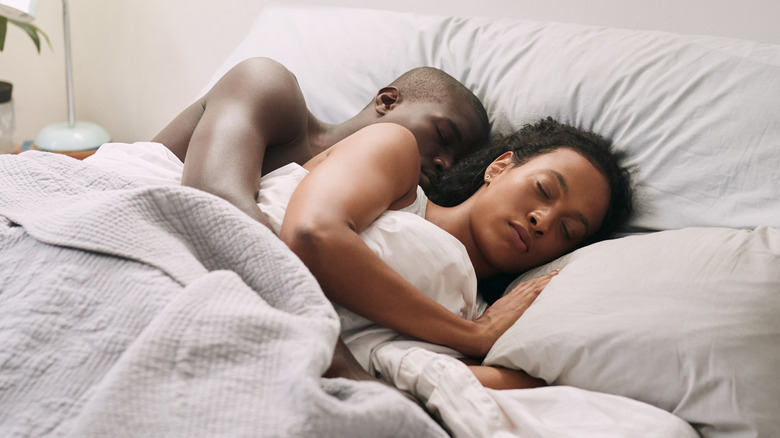
What feels better than getting into a bed with clean sheets? Apparently a lot because Gen Z doesn’t seem to mind ignoring the fact that their sheets get dirtier with each passing day. A 2026 Amerisleep poll found that only 19% of Gen Z gives their sheets the clean treatment monthly. Additionally, a surprising 34% said they wait until their sheets emit a smelly odor before washing them. But don’t expect your Gen Z friend, colleague, or child to be honest about their bedding hygiene behavior: Over a third (34%) of Gen Z respondents said they lie about how frequently they wash their sheets. And don’t get us started on how many younger folks wear their shoes and outside clothes while in bed.
清潔なシーツのあるベッドに横たわるのは気持ちいいことだ。しかしジェネZは、日が経つごとにシーツが汚れていく事実を気にしていないようだ。2026年のAmerisleep調査によれば、ジェネZの回答者のわずか19%しか月に一度シーツを清潔にしていない。さらに、34%もの人がシーツが悪臭を放つまで洗わないと答えた。とはいえ、ジェネZの友人・同僚・子どもが自分の寝具衛生について正直に話すとは限らない。ジェネZの回答者の34%は、シーツを洗う頻度について嘘をついていると答えた。さらに、若年層が靴や外出着をそのままベッドで着用するケースの多さには驚かされる。
This raises the question of whether or not the Gen Z “smells-like-it’s-time-for-a-wash” technique is actually bad. Apparently, the longer you wait, the higher the likelihood that your sheets could become a skin irritant or trigger allergic reactions. Generally speaking, this would mean doing a sheet and pillowcase load around every three to seven days. Ultimately, it’s wise to be diligent about washing dirty sheets regularly: As you sleep, you shed roughly a half-teaspoon of skin cells onto your sheets each night, which can quickly become an environment where bacteria can thrive.
この“洗濯の時が来た”と感じさせる匂いを放つ手法が本当に悪いのか、という疑問が生じる。どうやら待てば待つほど、シーツが肌の刺激となったりアレルギー反応を引き起こす可能性が高まる。一般的には、3日から7日ごとにシーツと枕カバーを洗うことが推奨される。結局のところ、汚れたシーツを定期的にきちんと洗うことが賢明だ。眠っている間、私たちは毎晩シーツに約0.5ティースプーン分の皮膚細胞を落としており、それが細菌の繁殖が盛んな環境へと早変わりする可能性がある。