

To say that Baby Boomers and Millennials have vastly different views on food and nutrition would be a major understatement. A 2024 survey conducted by Protein Works showed that when Baby Boomers and Gen X were grocery shopping, their top priorities were finding affordable and tasty options. Those two groups were also the least likely to think about how their food choices affected their well-being. This data tracks with a generation that grew up at a time when frozen and canned food was the norm, and information about nutrition was limited.
一方、年長のミレニアル世代が買い物をしていると、栄養とカロリー目標に合う食品や、乳製品不使用やグルテンフリーなどの嗜好に合った選択肢を求める傾向が強いことが分かった。栄養文化のメッセージが特に大きく響いていた時代に育った世代が多いことから、カロリー摂取量を最も気にしているのも驚くべきことではない。
ミレニアル世代の多くはベビーブーマーに育てられたため、彼らの世代で人気のダイエットのいくつかを受け継ぐことになった。ウェイトウォッチャーズ、カロリー計算、断続的断食、低炭水化物ダイエット、キャベツスープダイエットは、ベビーブーマーの世代と、それを含むより年長の世代・ younger Millennials の間でも、程度は異なるが会話の一部として引き継がれていった。
興味深いことに、ミレニアル世代は「健康に悪い」と考える食品を特定の食品として挙げる一方で、ベビーブーマーはこの用語を、長期的に健康問題を引き起こす可能性のある食品に適用するのがよりふさわしいと考えていた。これほどの見解の相違があるため、ベビーブーマーのダイエットの定型句がミレニアル世代の敏感ゾーンに本当に刺さることも、驚くべきことではない。
The younger generation doesn’t like to be told that they need to clean their plates
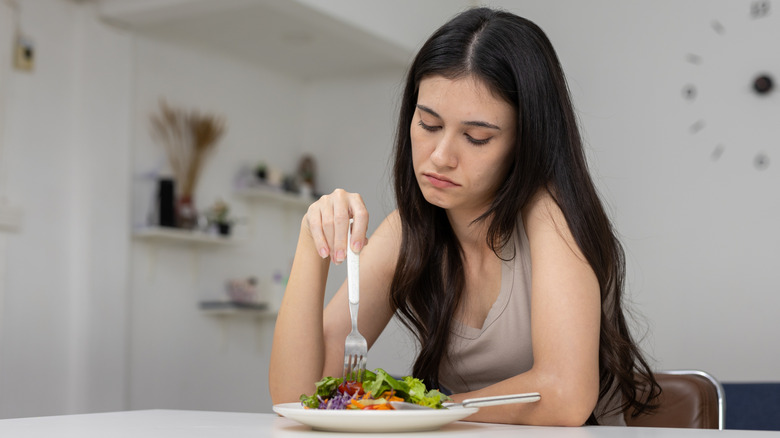
Many Millennials have vivid recollections of their Boomer relatives telling them they needed to clean up everything on their plate. If they dared to refuse to eat past the point of their fullness, they had to tolerate being called selfish or ungrateful. To no one’s surprise, that mentality hasn’t served anybody well in the long run.
多くのミレニアル世代は、ベビーブーマーに育てられ、皿のすべてをきれいにするよう言われた鮮明な記憶を持つ。満腹を超えて食べることを拒むと、自己中心的だとか恩知らずだと呼ばれるのを耐えなければならなかった。長い目で見れば、この考え方は誰にとっても良い結果をもたらさない。
2016年に Obesity 誌に掲載された研究では、食べきる習慣が肥満の傾向と結びついていることが分かった。2017年1月に Self に語った RD の Alissa Rumsey は、皿をきれいにすることが過食の習慣を生む可能性があると述べた。『皿をきれいにすることは、適切な食量を見極める際に内的な手がかりではなく、外的な手がかりを使うように自分を準備させてしまう』とラムジーは説明する。『皿をきれいにしなければならないと感じることに慣れていると、潜在意識レベルで満腹の内的サインを無視するかもしれない。』
MS, RDN の Karen Ansel は、皿を空にする習慣がとりわけ有害なのは、1980年以来平均皿の大きさが2インチも大きくなっているためであり、これが人々をより多く食べさせる目的である可能性があると Self に指摘した。一方、Beth Warren, RDN は、この習慣はマインドフルな食事と調理量を意識することによって克服できると考えていた。
また、第一次世界大戦時のメッセージがこの「皿をきれいに」「食べ物を残さず食べる」思想に影響を与えた可能性も指摘されている。欧州の兵士が食料不足に直面していたことから、アメリカ人には自分の皿をきれいにできるだけの食料を購入するよう促す文脈が作られたのだ。
Millennials are tired of being told that breakfast is the most important meal of the day
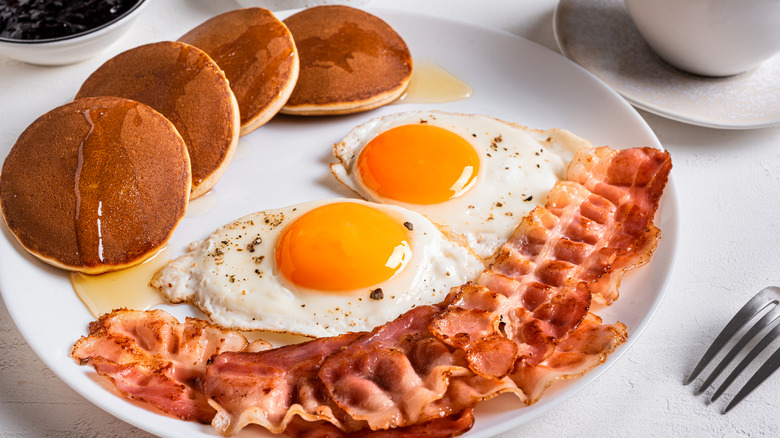
Many Millennials feel incredibly annoyed when their Boomer relatives push their “Breakfast is the most important meal” narrative on them. Notably, in 2024, Dalhousie University surveyed 9,165 Canadians to map out breakfast trends across generations. The results showed that only 4.1% of the Boomer generation skipped breakfast, the lowest out of any other.
ミレニアル世代の多くは、ベビーブーマーの親族が「朝食が最も重要な食事だ」という話を押し付けてくるのに非常に鬱陶しく感じている。2024年、ダルハウジー大学が9,165人のカナダ人を対象に世代間の朝食の傾向を調査したところ、朝食を抜くベビーブーマー世代は全体で4.1%と最も低く、ほかの世代よりも低いことが分かった。
Gen-Z は朝食を抜く割合が最も多く9%、ミレニアルはそれなりに続く6.1%だった。朝食を抜くと体にさまざまな変化が起きることは多いが、それが朝食が一日の中で最も重要な食事だということにはならない。2025年1月の Good Housekeeping との対談で、臨床的に訓練された栄養療法士のルーシー・ミラーは、朝食を抜くことは有益になる場合があると述べ、「夕食と次の食事までの時間を長く取ると、体はリセットされ、自動的な修復プロセス(オートファジーなど)に集中し、常に消化し続ける必要がなくなる」と語った。ミラーによれば、断食期間は代謝にも好影響を与え、血糖値のコントロールを助け、体重管理にも有用な手段となり得るという。
また、「朝食は1日の最も重要な食事だ」という哲学は、研究や調査から生まれたものではなく、朝食食品の大手ケロッグが普及させたスローガンであることも忘れてはならない。以上を踏まえると、朝食を食べるか抜くかは、気分・エネルギーレベル・全体的な健康ニーズに完全に依存する、個人の選択であり、古い格言に縛られるべきではない、という結論になる。
Millennials can’t understand the older generation’s obsession with extreme diets

Most Millennials understandably don’t even think of going on crash diets after watching their relatives from the Baby Boomer generation cycle through one fad diet after another. Back in the ’70s, the generation gravitated towards the grapefruit diet. As per the guidelines of the two- to three-week diet, a person had to ensure that all their meals were low in carbohydrates, high in protein, and came with a side of grapefruit. Some versions of the diet capped daily calorie intake at a measly 800 calories.
The ’80s also brought the infamous cabbage soup diet, which only allowed people to consume cabbage soup along with two additional low-calorie foods like vegetables, fruits, or skim milk for one week. Needless to say, there were plenty of things that made the cabbage soup diet very concerning. However, since Boomers were under tremendous pressure to fit societal beauty standards, they largely ignored the concerns and continued to try fad diets.
While some members of the younger generation were pressured into trying such diets from their Boomer relatives, others were affected by simply watching the binge-restrict cycle play out. One study published in Nutrients in 2021 found that children could develop many negative views about food from watching their parents go on overly restrictive diets. Meanwhile, another study published in the International Journal of Eating Disorders in 2024 found that children who had watched their parents deal with a binge-eating disorder could end up going to more extreme lengths to control their own weight as they grew older.
The older generation’s attitudes about children’s food intake irk the younger generation

Since Baby Boomers were raised by a generation that experienced food scarcity, they, too, adopted the belief that their meals were not guaranteed. For many Boomers, this belief played out through hoarding and a refusal to throw out expired food. For others, this scarcity mindset cemented the idea that food preferences were not important, especially for younger family members. Many social media commentators have discussed how this belief in their Baby Boomer family members had manifested into them being unable to accept the boundaries they had for their children’s food intake.
食料不足を経験した世代に育てられたベビーブーマーは、食事が保証されていないという信念をも取り入れていた。その信念は、多くのベビーブーマーにとって、食料を蓄え、賞味期限が切れた食品を廃棄しない行動として現れた。別の人々にとっては、この不足感の思考が、特に若い家族の食の嗜好を重要ではないとする考えを強固にした。多くのソーシャルメディアのコメント者は、この信念がベビーブーマーの家族が持つ境界を受け入れられなくなる形で現れていると論じている。
Reddit のスレッドでは、義理の家族が1歳の子に「次の日には食べ物にありつけるかわからないかもしれない」と言ったという投稿者の話が寄せられている。PureWow に語った栄養士の Maryann Jacobsen は、罰やご褒美として食べ物を使うことが、子どもが成長していく過程で感情的な過食を生む可能性があると説明した。さらに彼女は「空腹でないときに食べるよう子どもを教えるのだ」と述べ、現在の世界では満腹感のサインを見過ごしがちになると指摘した。
さらに、Reddit の投稿者は、Boomer の家族が姪に対して食べさせるために嘘をつく傾向があると指摘した。オーストラリアの ABC に語ったクイーンズランド工科大学の小児栄養学上級講師リベッカ・バーン博士は、子どもを食べさせるために嘘をつくことは一時的には効果があるかもしれないが、将来の食に関する問題を引き起こす可能性があると述べた。
Millennials feel they have tolerated enough food shaming from Baby Boomers

Many Millennials have found they don’t have to guess what Baby Boomers think of their diet because they will bluntly tell them. On Reddit, many people have opened up about how a Baby Boomer will casually comment about the lack of nutrition in their food choices or even make a “joke” about how much food they have on their plate.
Reddit の投稿者の多くは、ベビーブーマーが自分の食の選択に栄養が足りないと無警戒にコメントしたり、皿の上の食べ物の量をからかうジョークを言ったりする様子を、はっきりと伝えていることに気づいている。
In an interview with the Cleveland Clinic, psychologist Ninoska Peterson, PhD, shared some possible reasons why people are so compelled to food shame, saying, “These judgments could come from your own experience or the culture you grew up in. They could also be generational and framed by the trends of the time.” According to her, family history and childhood experiences with food could also contribute to food shaming. Peterson stated that food shaming ultimately reinforces the idea that some foods are “good” while others are “bad” and also further cements the unhealthy “all-or-nothing” approach to nutrition.
クリーブランド・クリニックとのインタビューで、心理学者ニノスカ・ピーターソン博士は、人々がなぜ食べ物を恥じたくなるのかについて、次のような理由を挙げている。「これらの判断は、自分の経験や育った文化から生まれることがあり、世代を超え、その時代の流行によって形作られることもある」。彼女によれば、家族の歴史や幼少期の食に関する経験も食の恥を助長する可能性がある。ピーターソンは、食の恥が最終的に「良い」食品と「悪い」食品の考えを強化し、栄養に対する健康的でない「全か無か」アプローチをさらに固めると述べた。
さらに、2023年6月のYouTube動画で、Carolyn Coker Ross 氏(MD)は、食への恥が人を自分の食の選択や体に執着させ、結果的に罪悪感と不安感を生み出し、最終的には過食へとつながる可能性があると指摘した。2023年6月、Jessica Broome 博士は Today’s Dietitian に対し、いかなる形の恥も自己評価を低下させ、人がさらに孤立したくなる原因になり得ると語った。
これらを踏まえると、若い世代が年長世代の食べ物についての軽い一言で終わらせるトレンドを続けたくないと感じるのは、驚くべきことではない。