

As gross and horrifying as it may seem, parasite outbreaks (like the July 2026 cyclosporiasis outbreak) pop up pretty regularly in the United States. In fact, outbreaks have dotted the country for the past 124 years. These types of outbreaks happen when conditions are favorable for the parasite to find and invade a host.
言い方は不快で恐ろしいかもしれませんが、寄生虫の発生は米国でかなり定期的に起こります。実際、過去124年間にわたり、国全体のあちこちにこの種の発生が点在してきました。これらの発生は、寄生虫が宿主を見つけて侵入するのに適した条件が整ったときに起こります。
Not all parasitic invasions require the parasite to get into the body of the host, though. Science Insights explains everything you need to know about head lice, which are parasites that spread through physical contact. Fleas fall under the same category, and can cause diseases that can pass between you and your pets. Other parasites make trouble when they make their way inside humans, which can leave some vulnerable people (e.g., children, individuals with compromised immune systems, older adults) at risk of life-threatening side effects.
ただし、すべての寄生侵入が寄生虫が宿主の体内に入ることを必要とするわけではありません。Science Insights は、体の接触を通じて広がる寄生虫である頭じらみについて知っておくべき全てを解説します。ノミも同様に同じカテゴリに該当し、人とペットの間で病気を伝えることがあります。他の寄生虫は人間の体内に入ると問題を引き起こすことがあり、それは子ども、免疫機能が低下している人、高齢者など、命に関わる重大な副作用のリスクがある人々を脅かします。
Fortunately, plenty of outbreaks are fairly localized, meaning they don’t cause issues for tons of people across multiple cities or states. But others have triggered national panic.
幸いにも、多くの発生は比較的局所的で、複数の都市や州にまたがって大量の人々に問題を引き起こすことはありません。しかしながら、全国的なパニックを引き起こすケースも存在します。
1902: Hookworm outbreaks in the South

If you were living in a Southern state in the early 20th century, you were at risk of being infected by a hookworm if you walked around barefoot. Hookworms burrow into the skin and make their way to the small intestine. Drained of nourishment, their hosts typically become anemic, thin, and exhausted. An estimated 40% of white Southerners were infected with hookworms. Children were especially susceptible, many of whom experienced stunted cognitive or physical development (via Rockefeller Archive Center).
20世紀初頭の南部各州に住んでいた場合、素足で歩くと鉤虫に感染するリスクがありました。鉤虫は皮膚に潜り込み、小腸へと進みます。栄養を奪われた宿主は貧血になり、やせ衰え、疲れ果ててしまいます。白人の南部住民の約40%が鉤虫に感染していたと推定されています。子どもたちは特に影響を受けやすく、多くの子どもが認知発達や身体発達の障害を経験しました( Rockefeller Archive Center 経由)
Early 1900s through 1950: Malaria outbreaks in numerous states
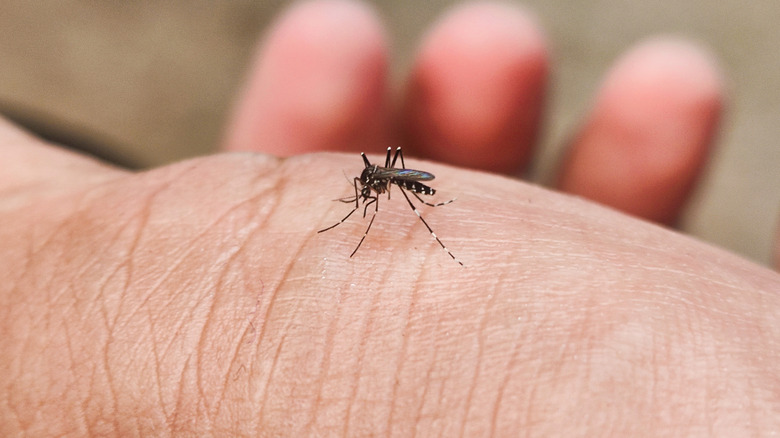
Another parasite-related disease that became prevalent in the early 20th century was malaria. Spread through mosquitos, it was common in many states, including Texas, Nebraska, and Ohio. People infected with malaria usually present with high fevers and other flu-like symptoms (via the CDC). If not treated with medications, malaria can turn deadly. The disease was eliminated from the U.S. in the 1950s, though there have been isolated cases and smaller outbreaks. In 2021, a malaria vaccine was approved by the World Health Organization.
20世紀初頭に広まった別の寄生虫による疾病としてマラリアが挙げられます。蚊を介して広がるこの病気は、テキサス州、ネブラスカ州、オハイオ州など、複数の州で一般的でした。マラリアに感染した人は通常、発熱の高さやインフルエンザ様の症状を示します(CDCによる)。薬で治療されないと、マラリアは致命的になることがあります。この病気は1950年代に米国から根絶されましたが、孤立した症例や小規模な発生は続いています。2021年には世界保健機関がマラリアワクチンを承認しました。
Early 1990s: Cryptosporidiosis in Milwaukee, Wisconsin

In the 1990s, over 400,000 residents of Milwaukee, Wisconsin, were affected by cryptosporidiosis, an infection caused by a parasite that can lead to decreased appetite, vomiting, and upset stomach. According to a 1994 article in The New England Journal of Medicine, the incident stemmed from a parasite passing undetected through a municipal water filtering system. In addition to costing more than $96 million, the outbreak led to the deaths of an estimated 69 people, most of whom were already immunocompromised (via the CDC).
1990年代には、ウィスコンシン州ミルウォーキーの40万人を超える住民がクリプトスポリジオシスに影響を受けました。これは、寄生虫が原因で食欲不振、嘔吐、胃の不快感を引き起こす感染症です。1994年のThe New England Journal of Medicine の記事によれば、自治体の水処理システムを通じて寄生虫が検出されずに拡散したことが原因とされています。総費用は9,600万ドルを超え、推定69名が死亡しました。その多くはすでに免疫機能が低下していた人々でした(CDCによる)。
Mid-1990s: Cyclospora found in popular berries and, later, other foods

Cyclosporiasis comes from eating food or drinking water contaminated with the Cyclospora parasite, which infects the small intestine. In the mid-1990s, a cyclosporiasis outbreak was traced to raspberries that were sold across multiple states. All the berries were removed from the market, but not before at least 1,465 people experienced symptoms of the condition (per Newsweek). This outbreak caused the CDC to recognize and track cyclosporiasis as a foodborne disease.
シクロスポラ症は、小腸を感染させるシクロスポラ寄生虫に汚染された食品を摂取するか、水を飲むことによって発生します。1990年代半ばには、複数の州で販売されていたラズベリーに原因があると突き止められました。市場からすべてのベリーが回収されましたが、それ以前に少なくとも1,465人が症状を経験しました(Newsweek による)。この発生により、CDCはシクロスポラ症を食品由来の疾病として認識・追跡するようになりました。
2026: Summer of cyclosporiasis causes national trouble

In July 2026, a cyclosporiasis outbreak linked to a type of imported iceberg lettuce affected 15 states, with over 6,300 cases and at least 2 fatalities as of this publication (per the CDC). Between the mid-1990s and 2026, there were multiple, smaller cyclosporiasis outbreaks, all traced back to fresh produce contaminated with Cyclospora. Since Cyclospora contamination only happens through the spread of feces, people with cyclosporiasis have unintentionally ingested fecal matter.
2026年7月、輸入アイスバーグレタスの一種に関連するシクロスポラ症の発生が、15州に影響を及ぼし、6,300件を超える症例と少なくとも2名の死亡がこの報告時点で確認されています(CDCによる)。1990年代半ばから2026年にかけて、複数の小規模なシクロスポラ症の発生があり、すべて新鮮な農産物に付着したシクロスポラが原因と判明しています。シクロスポラ汚染は糞便の拡散を通じてのみ起こるため、シクロスポラ症の患者は意図せず糞便由来の物質を摂取してしまうことになります。